
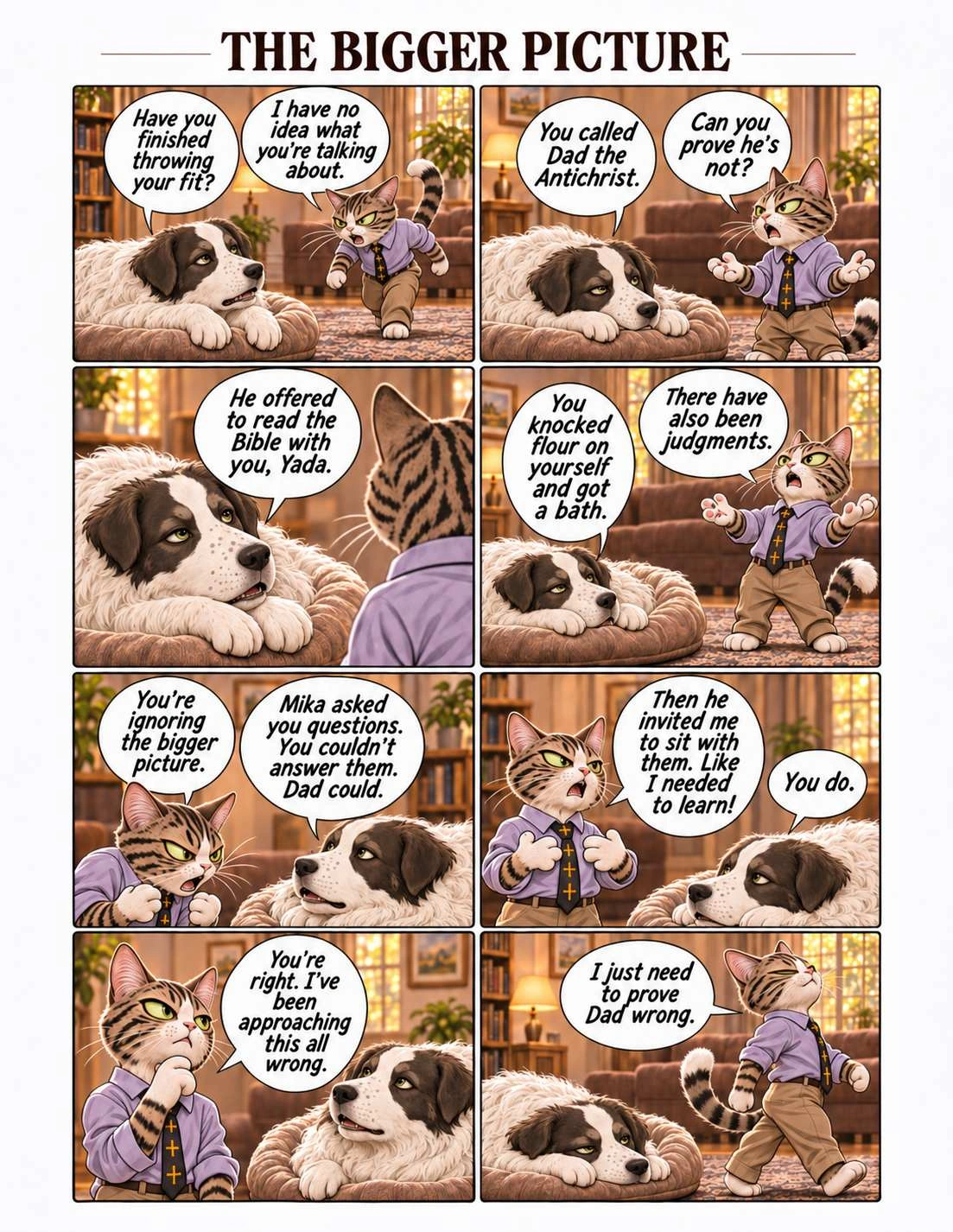
The Bigger Picture
Correction becomes difficult when we hear it as a verdict on our worth. A particular error is pointed out, and we begin defending our entire position. Attention moves from whether the explanation is true to whether the other person will appear to have defeated us. At that point learning is being displaced by the protection of our reputation.
Proverbs 15:31–33 describes a different response. The person who listens to life-giving reproof gains a place among the wise. Refusing correction harms the person refusing it, while listening brings understanding. The passage connects instruction in wisdom with the fear of the Lord and places humility before honor. Receiving correction begins with a willingness to be someone who still has something to learn.
The wisdom is practical. A mistaken belief does not become less mistaken because nobody mentions it. An error left untouched continues influencing our decisions and the people who rely on us. A person who identifies it has given us information we can use. Whether that person is pleasant or irritating does not settle the accuracy of the correction.
Proverbs 9:7–9 contrasts responses to reproof. The scoffer responds with hostility, while the wise person becomes wiser through instruction. The distinction appears in what the hearer does with an unwelcome word. Wisdom is therefore more than an accumulation of correct answers. It includes the disposition that allows new understanding to correct an old answer.
James 3:13–18 brings the issue into the life of a Christian community. Wisdom is demonstrated through good conduct with humility. Bitter jealousy and selfish ambition do not become wisdom because their possessor can speak impressively. James describes wisdom from above as pure, peaceable, gentle, willing to yield, full of mercy and good fruits, impartial, and sincere. Those qualities shape the response when another person has something useful to say.
A willingness to yield does not require accepting every accusation. It requires giving truth a hearing without making personal victory the condition of acceptance. We can ask for the passage, examine the reasoning, and reject a false correction for stated reasons. What we cannot responsibly do is dismiss a sound explanation merely because receiving it would require us to acknowledge an error.
The contrast is visible in the way we prepare our next response. Are we looking for what would help us understand, or searching for something that will embarrass the person who corrected us? The same hours of reading can serve either aim. A collection of arguments assembled to protect an injured reputation may leave the original question entirely unanswered.
Philippians 2:3–4 directs believers away from selfish ambition and conceit toward humility and attention to the interests of others. That instruction matters in a disagreement. A teacher's reputation is not the only interest in the room. Students need a sound explanation. Fellow believers need an honest conversation. People affected by a mistake need it corrected rather than defended.
There is a difference between explaining an error and explaining why we made it. Background may help others understand the circumstances, but it does not settle whether the statement was true. We can become so occupied with defending our intentions that we never answer the substantive correction. A person may have meant well, worked hard, and still misunderstood the text. Acknowledging that fact leaves room for both charity toward the person and accuracy about the claim.
James' description of wisdom also makes sincerity important. We should not outwardly agree merely to end an uncomfortable conversation while privately preparing to restore the same unsupported claim. Nor should we demand that a critic praise our strengths before we consider the evidence. The truth of a correction does not depend on receiving enough reassurance to make it pleasant. Honest examination can begin while the embarrassment is still present.
Humility changes what counts as a successful conversation. If we discover that our explanation was mistaken and leave able to explain the passage more accurately, something useful has happened. Another person may have supplied the missing connection. That does not diminish the value of the understanding gained. In a Christian community, the benefit of one person's knowledge can become the benefit of others when reputation stops being treated as a possession that must be defended at every cost.
When a correction is sound, state what it establishes. Acknowledge the error without hiding it behind unrelated faults in the person who noticed it. Revise the explanation and tell the people who received the old version. That response puts the truth to work rather than leaving it as something we privately recognize while publicly maintaining the same claim.
Humility can be practiced in the next conversation. Listen through the explanation. Ask the question that clarifies the issue. Resist the urge to change the subject to your opponent's failings. We gain more from understanding the truth than from arranging a scene in which nobody can see us learning it.